Tokyo Nightlife Tonight — Clubs, Events & DJs in Shibuya, Roppongi & Shinjuku
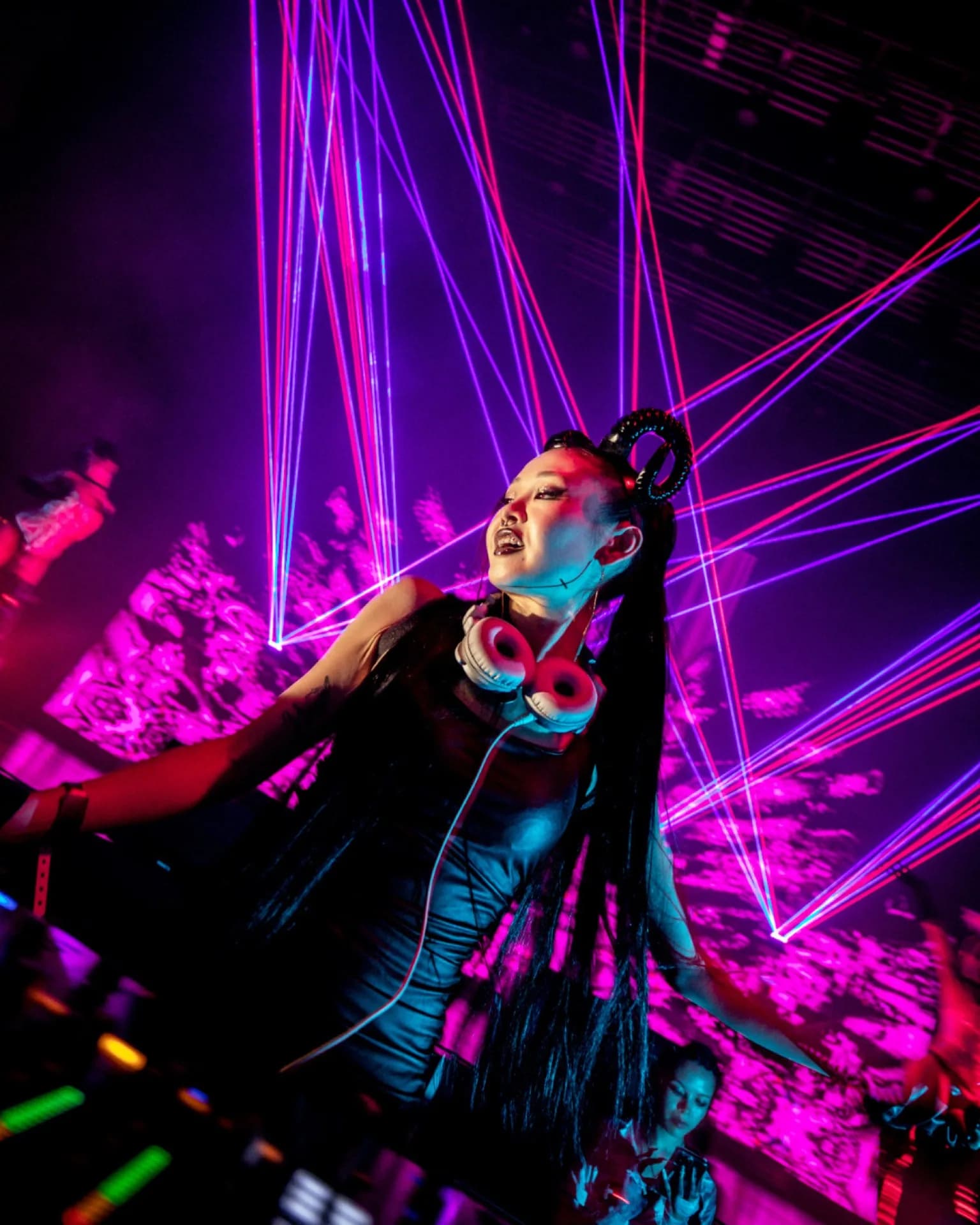
Tonight in Tokyo
What's happening right now
Visiting Tokyo? Plan your nightlife tonight
Plan your nights before you land — browse upcoming events by area, genre, and venue.
Tokyo Nightlife — Popular Tonight


Tokyo Nightlife by Area: Shibuya, Roppongi, Shinjuku
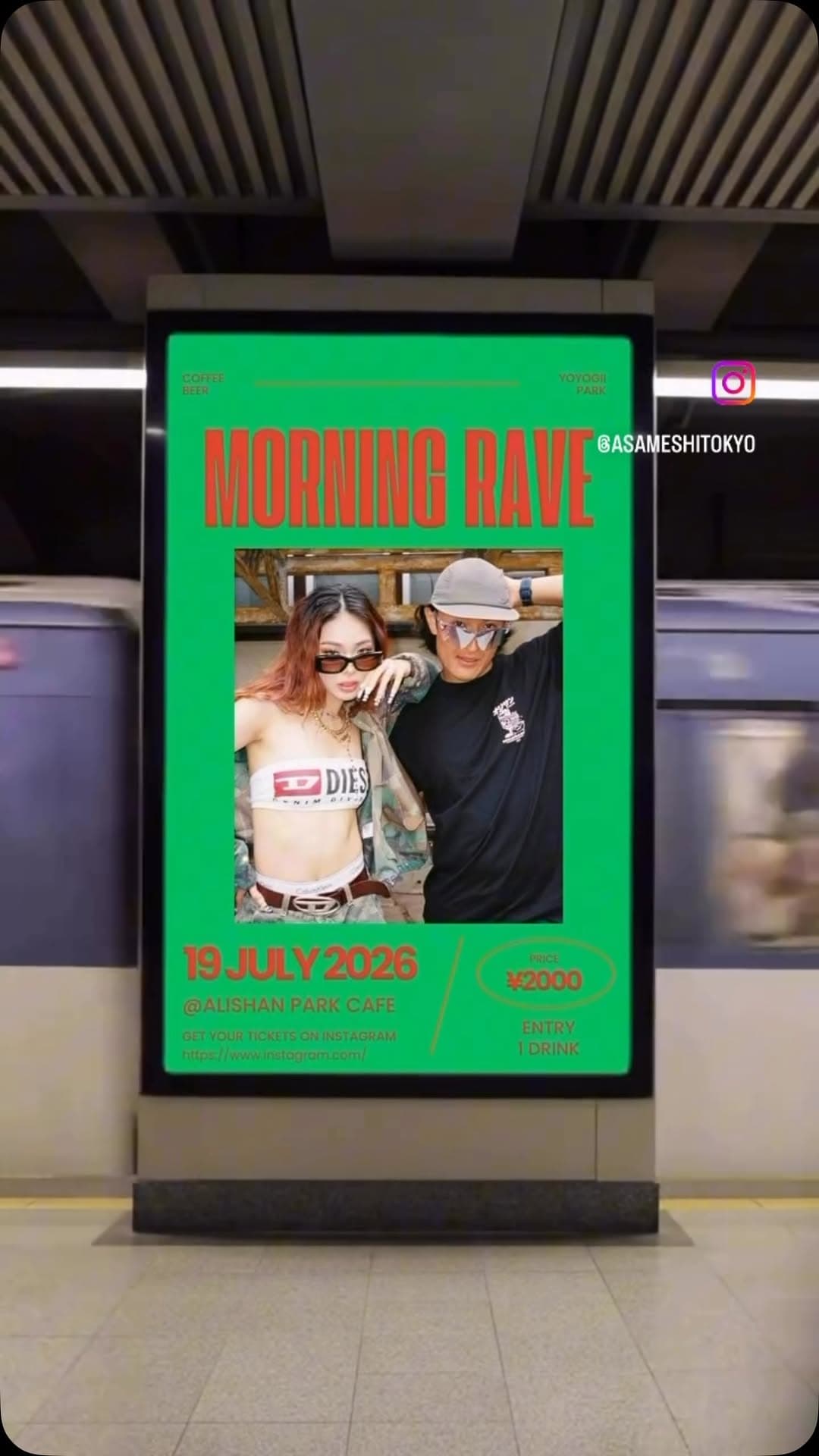
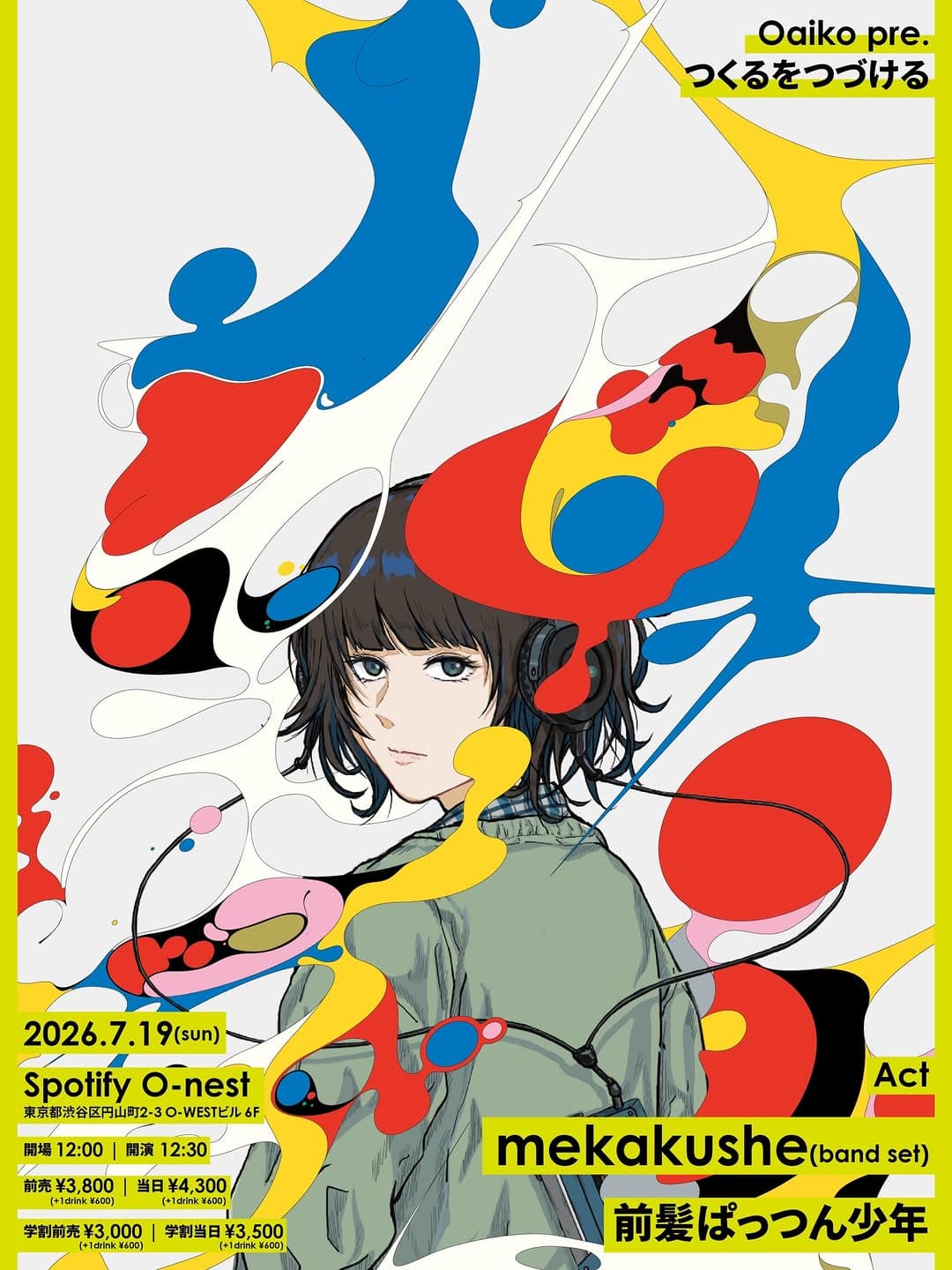
Tokyo Nightlife Events Happening Tonight
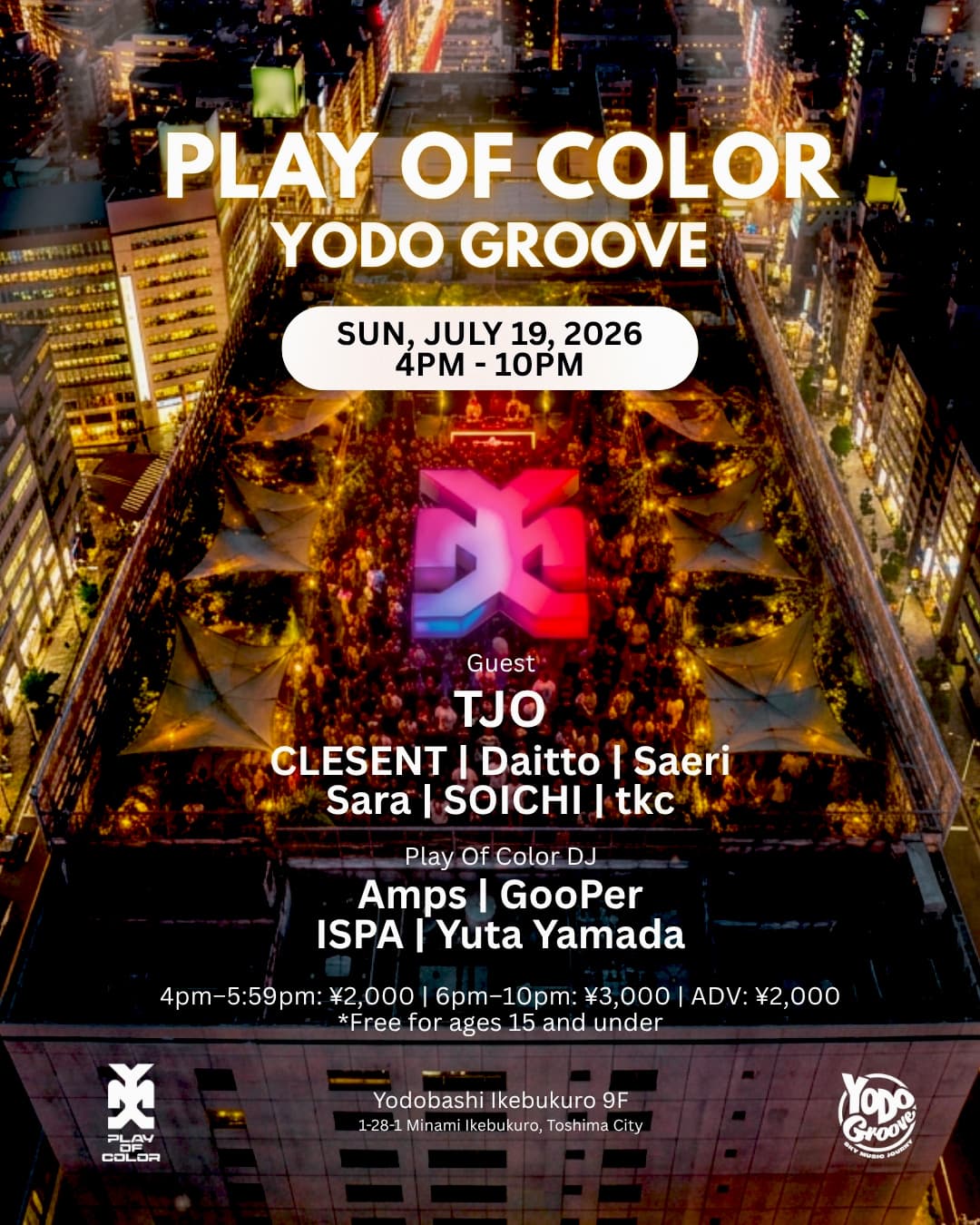
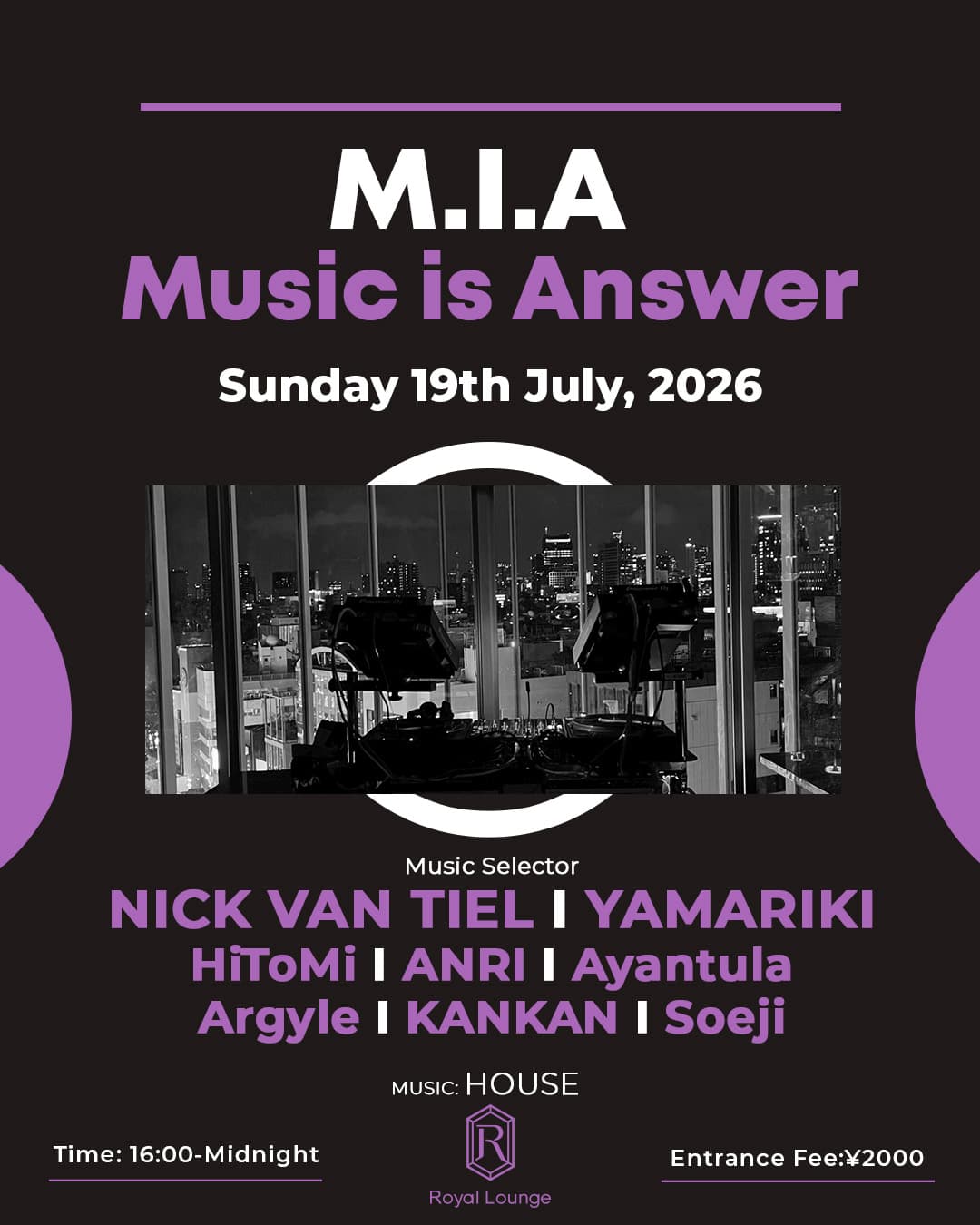
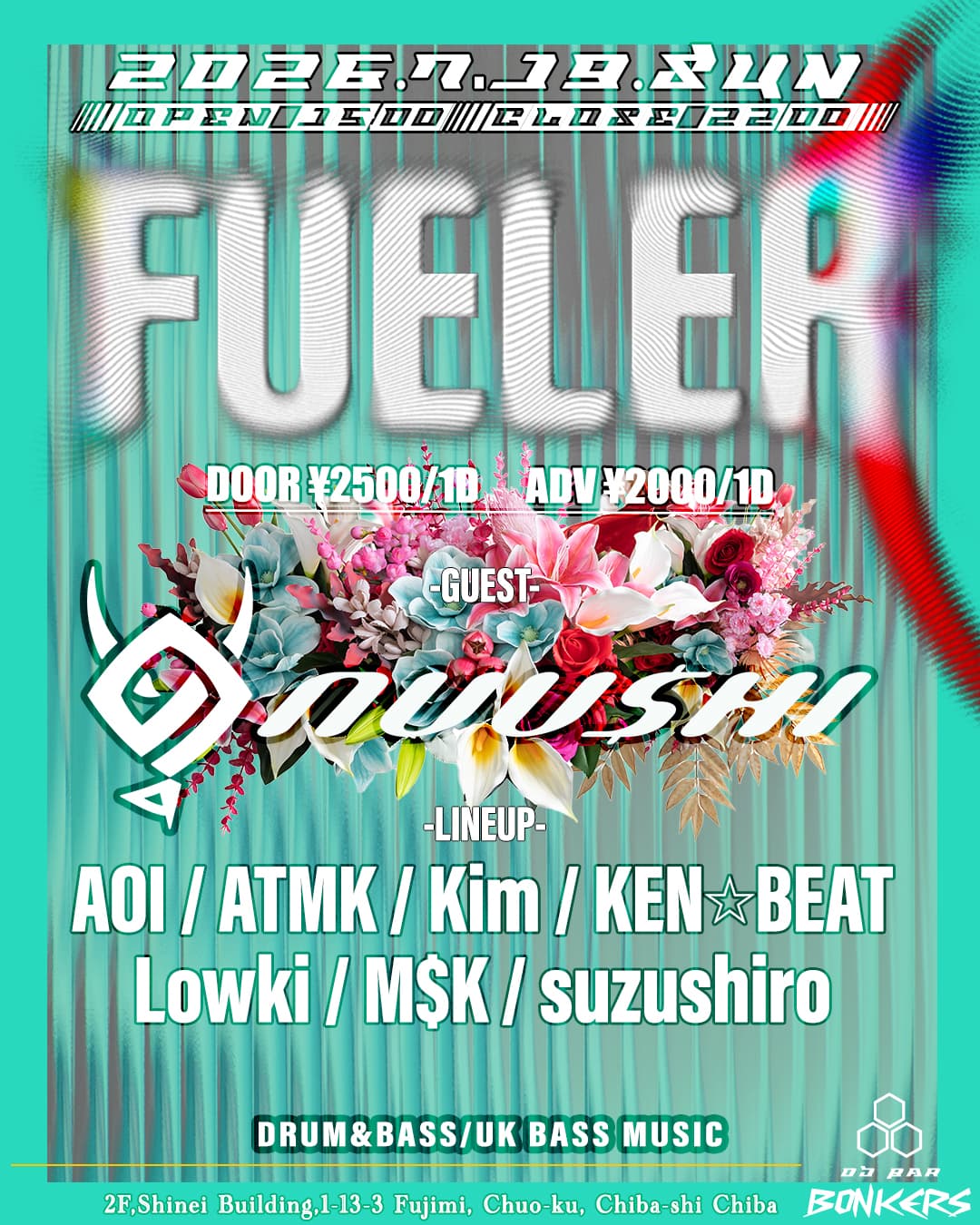







Tokyo Nightlife by Genre
Popular DJs


Nightlife Guides

Fuji Rock & Summer Sonic Tokyo Afterparty Guide (2026)
A practical Tokyo afterparty guide for festival-goers returning from Fuji Rock, Summer Sonic, Ultra Japan and the rest — where DJs play extended sets, which clubs honor festival wristbands, when to land back in Tokyo, and what to do if you arrive Monday morning still in your wellies.
Read →Best Night Out in Tokyo by Group Type (2026): Couples, Friends, Solo, Business
A four-branch decision tree for the best Tokyo night by group type — couples, friends, solo, business — with hour-by-hour itineraries, prices, and how to mix-and-match for blended groups.
Read →
Tokyo Nightlife Without Japanese: The Honest FAQ
Direct answers to every question first-time visitors ask about navigating Tokyo nightlife with zero or beginner Japanese — including the venue types that work, the ones that don't, what to say at the door, and where translation apps still fail.
Read →Explore our guide to the best clubs in Tokyo, or discover the best live houses in Tokyo.
Plan Your Weekend
No events this weekend yet
VIP Tonight


Never miss the best nights
Weekly picks from people who actually live the scene
Unsubscribe anytime
Tokyo Nightlife Guide
Tokyo nightlife is among the most vibrant and diverse in the world. Whether you're looking for massive multi-floor clubs, intimate underground bars, or rooftop lounges with skyline views, Tokyo has something for every kind of night out. Nightlife Tokyo tracks hundreds of events every week so you never miss what's happening.
The best areas for nightlife in Tokyo include Shibuya — home to iconic clubs like WOMB and Vision — Roppongi with its international crowd and late-night energy, Shinjuku's Kabukicho district and the legendary Golden Gai bar alley, and the more laid-back cocktail scene in Ebisu and Daikanyama. Each neighborhood offers a different vibe, from cutting-edge techno to classic hip-hop and everything in between.
Most Tokyo clubs open around 10-11 PM and keep going until 5 AM or later on weekends. Entry typically includes a drink or two, and the city's excellent public transit makes getting around easy — last trains run around midnight, with first trains resuming at 5 AM. For the hours in between, taxis and ride-hailing apps have you covered.
Nightlife Tokyo is your real-time guide to the Tokyo nightlife scene — from underground techno in Shibuya to hip-hop nights in Shinjuku and house music events in Roppongi. Browse events by genre, explore top DJs, and find the best clubs by area. Updated daily with 500+ listings. For an honest Tokyo adult guide covering Kabukicho, Roppongi, and Ginza, see our dedicated walkthrough.
Tokyo Nightlife Tips: What to Know Before You Go
When does Tokyo nightlife actually start?
Most clubs open at 10–11 PM and don't fill up until midnight. Bars open earlier (6–7 PM) and stay open until last train or beyond. Show up at 9 PM to a club and you'll be alone — Tokyo runs late.
Last train, taxis, or pull-an-all-nighter?
Last trains run around 12:30–1:00 AM and first trains resume at 5 AM. If you miss the last train, you have three options: taxi (¥3,000–¥7,000 across central Tokyo), GO/Uber rideshare (similar price, English app), or stay out until 5 AM — which is what most locals do on weekends.
How much does a Tokyo club cost to get in?
Cover ranges from ¥1,000 (small underground spots, weeknights) to ¥4,000–¥5,000 (big-name international DJs at WOMB, Vision, Zero Tokyo). Most include 1–2 drink tickets. ID required at every club — bring your passport, not a copy.
Cash or card?
Carry cash. Many clubs, izakayas, and Golden Gai bars are still cash-only at the door. Convenience-store ATMs (7-Eleven, FamilyMart) accept foreign cards 24 hours.
Is Tokyo nightlife safe?
Tokyo is one of the safest nightlife cities in the world — but Kabukicho has aggressive touts on the street trying to lead you to overpriced bars. Ignore them and walk straight to a venue you've already chosen. Roppongi has a similar tout problem near Roppongi Crossing. Inside legit clubs and bars, you're fine.
Do I need to speak Japanese?
For mainstream clubs (WOMB, Vision, Zero Tokyo, Roppongi venues): no, English is fine at the door. For Golden Gai or small Shinjuku jazz bars: a few words help, and some bars charge a “seat fee” — read the sign at the door before sitting down. We have a no-Japanese guide if you want to go deeper.